Conference registration is the first thing delegates judge and the last thing most budgets look at. This is the story of one supplier forum in Manama, where the real fix began with a question about coaches, and the morning still tried to go wrong.
The photo arrived before the brief did.
It had been taken from a hotel mezzanine in Riyadh at ten to nine in the morning. A line of people in good suits ran from two folding tables, past the coffee station, across the marble and out towards the revolving door. Near the back, one man had given up and sat down on his wheeled case.
The person who sent it was an events director at an industrial group in Al Khobar. Her message was short. That was last year, and she never wanted to see that picture again.
Her company runs an annual supplier forum, and this year it was moving to a hotel in Manama. Close to five hundred delegates and one foyer to get them through. Last year the badge printer had quit early, staff had started writing names by hand, and the chief executive had opened the forum late to a ballroom with half its seats empty.
She had six weeks.
The question about the coaches
She expected us to talk about kiosks. We asked how people were getting there.
Most delegates were coming from the Eastern Province, across the causeway, and the group had booked coaches from Al Khobar.
That detail changes the whole desk. Five hundred people spread over ninety minutes is a calm morning. Five hundred people arriving in lumps is the photo on her phone: eighty delegates on one pavement in the same two minutes, all wanting a badge before the coffee runs out.
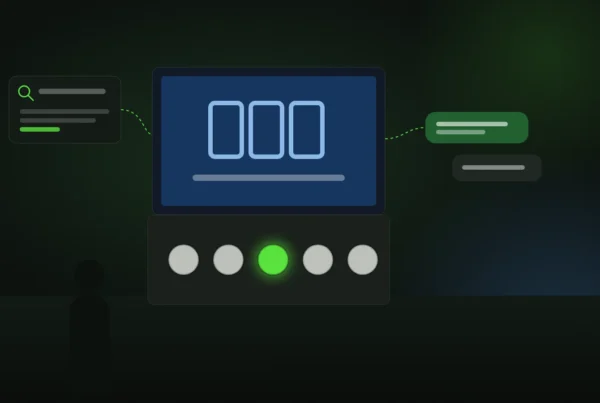
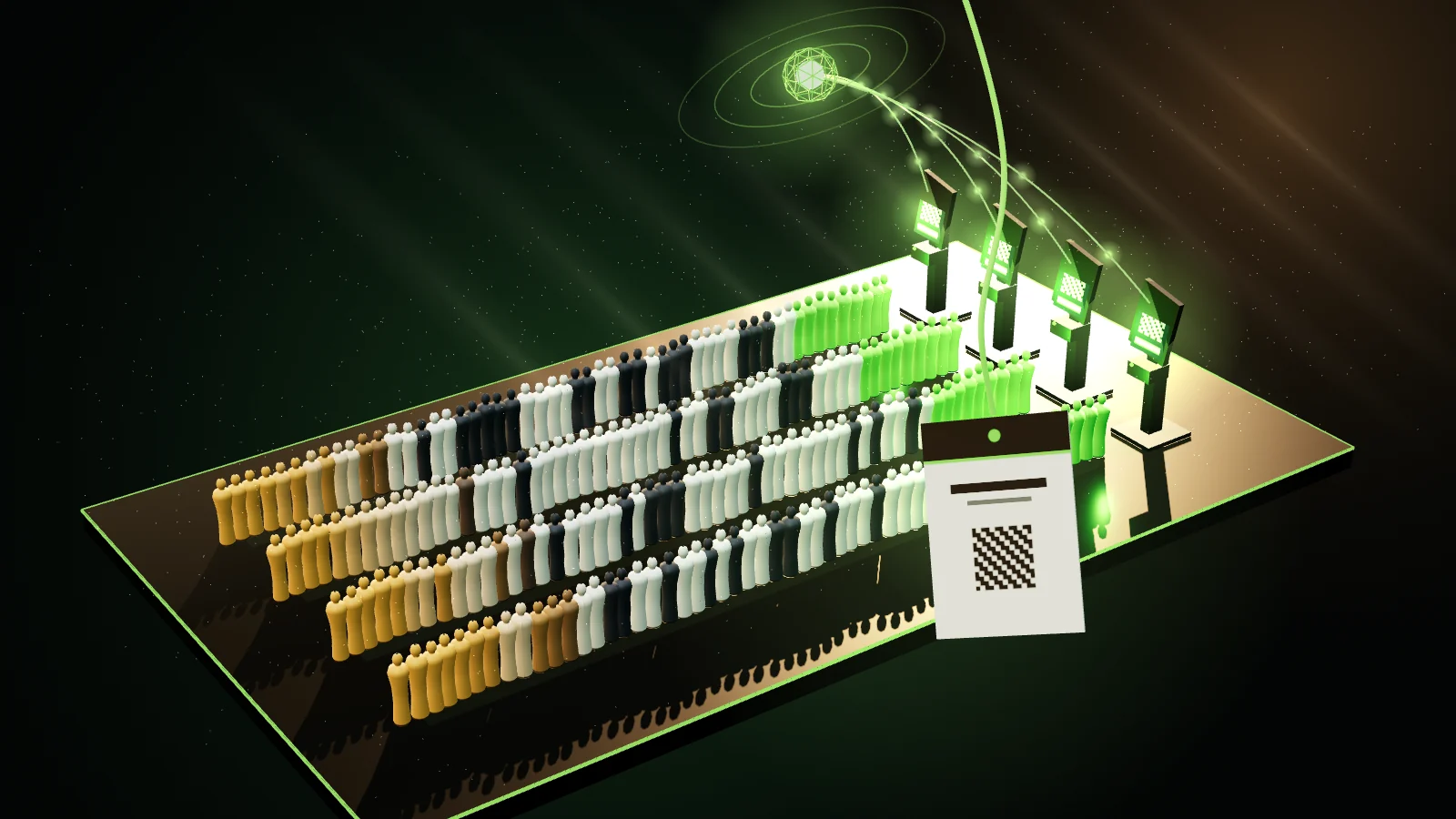
So we planned for the worst ten minutes of the morning. Our rule of thumb is that one self check-in kiosk clears 150 to 200 pre-registered guests in an arrival window. We drew four kiosks, then added a staffed problem desk off to one side, so a confused delegate would never hold up the line behind him.
Size the registration desk to your peak, never to your guest list. Ask when the coaches land before you ask how many kiosks you need.
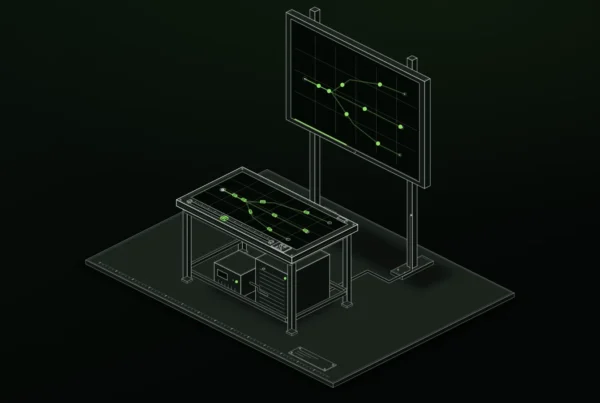
Run it yourself. Move the kiosk slider, jam a printer, hold a coach at the causeway, then see how far the line reaches.

Three spreadsheets and one Mohammed
The guest list came in three files. Procurement sent an export from its vendor system, all in capitals. The communications team sent VIPs in Arabic. HR sent internal staff with notes typed into the cells.
One supplier appeared three times, under three spellings of Mohammed and two versions of his company.
It looks harmless in a spreadsheet. On the morning it means a man scanning his code, getting someone else’s record, and two people leaning over a screen while the queue backs up behind them.
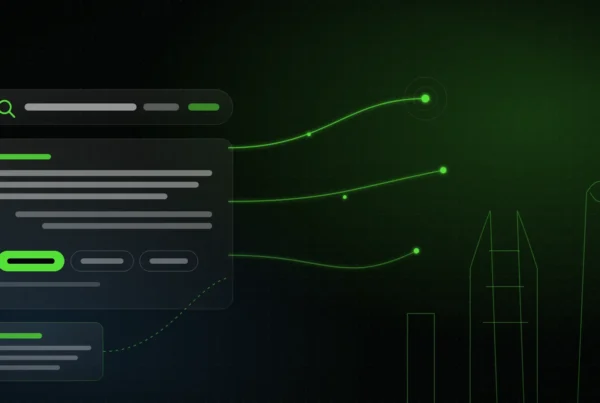
We cleaned the list weeks ahead and merged the duplicates. Then we gave every delegate two routes through the kiosk: a QR code from the invitation or, failing that, a name search that forgives spelling. If both failed, the problem desk already had his record open.
- ImportThe guest list is cleaned, de-duplicated and mapped to access tiers.
- ArriveThe delegate scans a QR code or searches by name.
- VerifyRules run for tier, access and consent. Odd cases go to the staffed lane.
- PrintThe badge prints on a local network, with or without venue internet.
- LogEach arrival is timestamped and appears on the live dashboard.
The highlighted steps are where queues usually start.
The feature we talked her out of
Two weeks in, she asked about face check-in. She had seen it on a stand in Riyadh and liked the look of it.
We can build it. We asked her to think about what it would take here.
To match a face you need a photo of that person first, collected in advance, with clear consent in both languages and a real alternative for anyone who says no. Bahrain’s data protection law asks for more, requiring prior written authorisation from the regulator before biometric data is used. Registration would also open weeks early, with delegates at their desks in the Kingdom, and Saudi Arabia’s law can reach organisations outside its borders.
All of that, for delegates stepping off a coach with a QR code already on their phones.
She took it to her legal colleagues and rang back the same afternoon. QR and name search it was. A short consent line went onto the registration form and the kiosk screen, in Arabic and English, saying what the data was for and who would receive it.
The foyer at the wrong hour
Our first site visit was at three in the afternoon. The foyer looked perfect. But nobody was arriving at three.
We went back at quarter to eight the next morning with a roll of tape.
The east wall of the foyer is glass. At that hour the sun came through it low and flat, straight onto the spot marked for the kiosks. We held a tablet up there and saw a white rectangle with a reflection of our own faces in it.
We moved the whole desk four metres, behind a column, and turned it away from the glass.
Slide the clock in the model below and you will see why the three o’clock visit fooled us. We wrote more about screens and sunlight in designing touchscreens for an exhibition floor.

A hotel coordinator then mentioned, almost in passing, that a medical seminar had booked the next ballroom for the same morning. Two events, one hotel Wi-Fi. We wrote it on the plan and underlined it.
The dots
Ten days out, we printed test badges on the real stock.
The English was fine. The Arabic looked fine too, from arm’s length. Then a colleague who reads Arabic natively picked one up, tilted it towards the window and frowned.
Many Arabic letters share one shape and differ only by their dots. At badge size, on that printer, some dots were closing up and sinking into the stroke below. One delegate’s name had become a different word.
A screen preview would never have shown it. We moved to a heavier Arabic typeface, made the name line larger, and put the Arabic above the English with its own text direction. Then we printed the longest names on the list, and our colleague checked every one.
Try the same test here. This badge is rendered at real print sharpness, so you can watch the dots close up and then bring them back.

Seven in the evening
The night before the forum, as we finished setting up, the chairman’s office sent thirty-one more names. Six of them were guests of honour who should not stand in any line.
Last year that email would have meant a stapled printout and a marker pen. This time the names went into the system in the foyer. The six badges were printed that evening, sealed in envelopes and given to a protocol officer who would meet those guests at the side entrance.
8:20
The first coach pulled in at 8:14. The second was right behind it.
The foyer filled the way she had feared, all at once, with the noise of wheeled cases on marble. But the line kept moving. Scan, print, take the lanyard, find the coffee.
At 8:20 kiosk three stopped. A badge had curled inside the printer. Our technician, who stands at the desk through the arrival window rather than waiting on the end of a phone, sent delegates to kiosk four with one wave of his arm and had the spare printer running within a couple of minutes. The man at the front of that line never knew why he had been moved.
At 8:35 the seminar next door began its own registration. Her phone stopped loading email. A woman at the other event’s table was refreshing her tablet with growing force.
Our kiosks noticed nothing. The guest list lived on a small network of our own in the room, so the hotel Wi-Fi could fall over without taking a single badge with it. Syncing waited.
The decision at 8:50
Ten to nine, the same minute as the photo. She was holding a tablet with the live arrivals view, and something looked wrong.
The count was short, and nearly every missing name belonged to the same batch of suppliers. A quick call explained it. The third coach was stuck behind a slow morning at the causeway.
A year earlier she would have found out by looking into the ballroom at nine and seeing empty chairs. Now she walked over to the chief executive, showed him the number, and asked for twenty minutes. He agreed without looking up from his notes.
The coach arrived at 9:08. We had kept all four kiosks open for it. By 9:16 the foyer was empty apart from a hotel waiter collecting cups.
The forum opened at 9:20 to a full room.
Once the last late arrivals were through, we exported the attendance list and handed it over. The data was hers, so we wiped the kiosks before the flight cases closed.
At lunch the chief executive thanked the suppliers for coming and thanked procurement for the programme. Nobody said a word about the foyer. She told us it was the best review she had ever had.
This story is a composite drawn from common situations we see at conferences in Bahrain and Saudi Arabia, not a single client project.
Buyer checklist for conference registration
- Find out how delegates arrive, size the desk to the worst ten minutes, and keep a staffed problem desk off to one side.
- Merge your guest lists early and name one owner for late changes.
- Give every delegate a second way through if the QR code fails.
- Run check-in and badge printing on a local network, never on hotel Wi-Fi alone.
- Visit the foyer at the hour your doors open, and ask who else is in the building.
- Test Arabic badges on the real stock and the real printer, with a native reader.
- Get legal advice before using face recognition, and offer an alternative.
- Ask how many spare printers come with the job, and who stands at the desk.
- Ask who owns the attendance data and when the hardware is wiped.
Or score your own desk. Tick what you can honestly say yes to, then send us the gaps.

Planning a conference or forum?
Tell us the venue, the guest count and how people are getting there. We will tell you plainly what fits your dates. A single system takes five to ten working days from approval and advance, and a connected setup usually takes four to six weeks. Our team is on the ground in Saudi Arabia and Bahrain, and every build is offline-first and bilingual. See how our reception and registration desk works, browse our past projects, or read the FAQ.
Start the conversationWhatsApp us+973 3557 7062
Or email info@faimglobal.com.
Related reading: offline-first event applications, lead capture on a stand getting names right at a corporate awards night, show control for launches and real-time event walls.
Questions buyers ask
How many check-in kiosks does a conference need?
Work from your busiest ten minutes rather than your total guest list. As a rule of thumb, one kiosk and printer clears 150 to 200 pre-registered guests in an arrival window. If coaches or a single flight bring people in together, plan for that peak.
Will conference registration work if the hotel Wi-Fi fails?
Ours will. The guest list runs on a local network in the room, so check-in and badge printing carry on offline and sync when the connection returns.
Can you print badges in Arabic and English on site?
Yes. Arabic and English are standard. We test the layout on your real badge stock and printer, because small Arabic text can lose its dots at print size, and a native reader checks the results.
Can you handle late changes to the guest list?
Yes. New names can be added on site and their badges printed the same day. It helps to name one person on your team who approves changes.
Is face check-in allowed at events in Bahrain and Saudi Arabia?
It needs care. Bahrain’s law requires prior written authorisation from the regulator for biometric data, and consent rules apply in both countries. We usually suggest QR and name search first, and your legal team should review anything further.
Who owns the delegate data after the event?
You do. We hand it over in CSV, Excel or to your CRM, and we wipe event hardware before it leaves the venue.
Sources
- Lex Mundi: Data Privacy Guide, Bahrain (consent rules; prior written authorisation for the use of biometric data)
- The Global Legal Post: Saudi Arabia data protection law guide (reach of the law to organisations outside the Kingdom)
- W3C: Arabic and Persian Layout Requirements (letters that share a skeleton and differ only by diacritic signs)
Found this useful?