
Chapter 05 · The Signature
The Movement Library
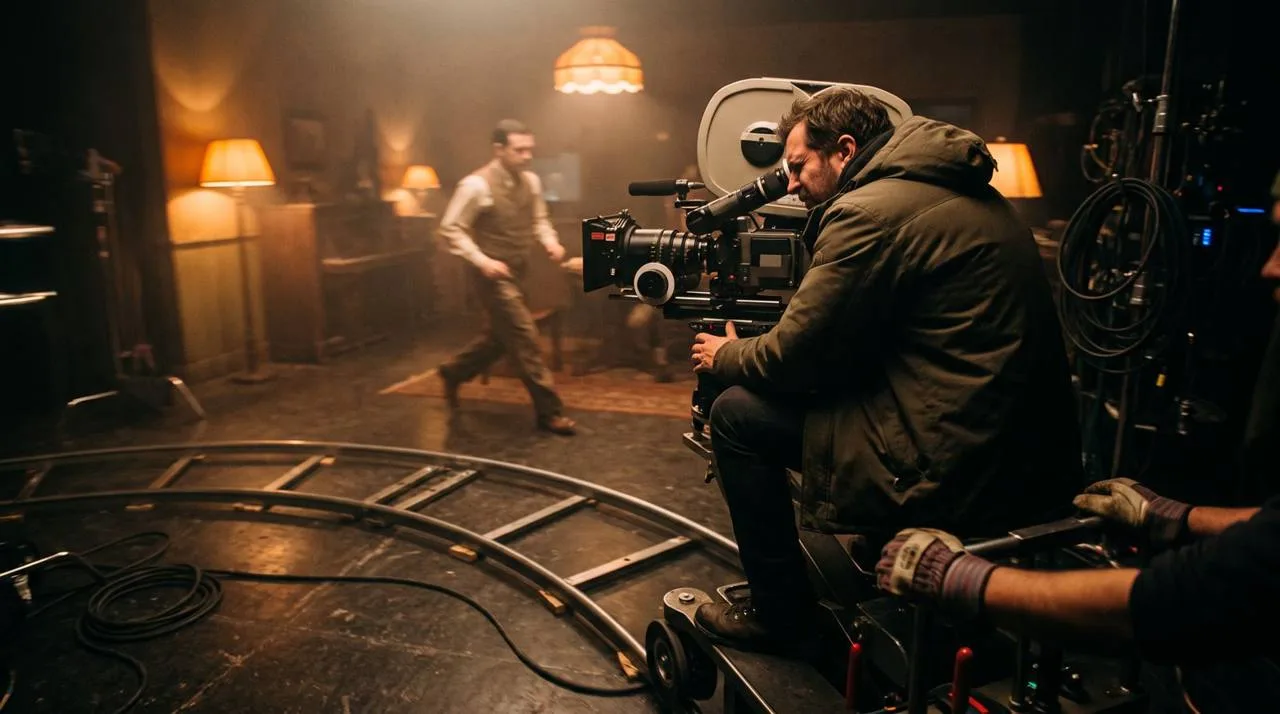
Every camera movement is a sentence: what moves, along which axis, at what speed, motivated by what. AI video engines execute named movements far more reliably than described feelings. This library gives the name, the copy-ready prompt line, and what the move means emotionally.
How to prompt movement (the five slots)
- Name the move: use the canonical term (dolly, truck, pedestal, pan, tilt, roll, arc, orbit, crane, zoom). One primary move per shot.
- Direction and distance: "dolly-in from 3m to 1m", "orbit 180 degrees clockwise", "pedestal up 2m".
- Speed and easing: constant, slow creep, ease-in, ease-out, speed ramp. Say it in seconds against the runtime.
- Stability register: locked, motorized smooth, gimbal, steadicam flow, handheld breath, camcorder wobble.
- Motivation: what in the scene justifies the move (a character walking, a reveal, a threat approaching). Unmotivated movement is decoration.
Movement Prompt Bank
Movement grammar rules1) One primary move per shot; a secondary micro-move (breath, drift) at most. 2) The slower the move, the more expensive the shot feels. 3) Never mix a stabilized register with a handheld register in one clip. 4) Every reveal move needs a subject worth revealing in the last frame. 5) In this signature, handheld is an override, never a default.
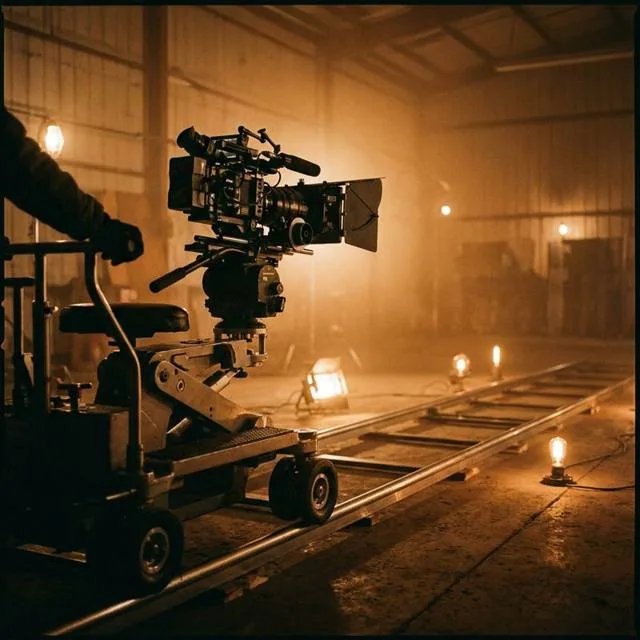
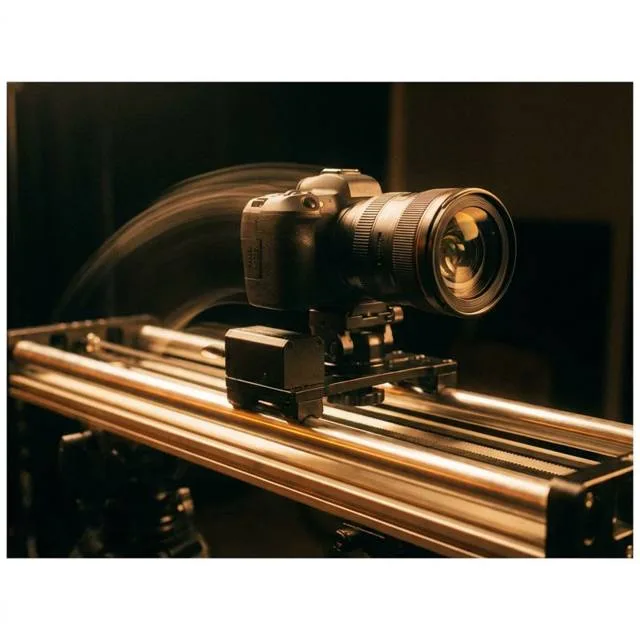
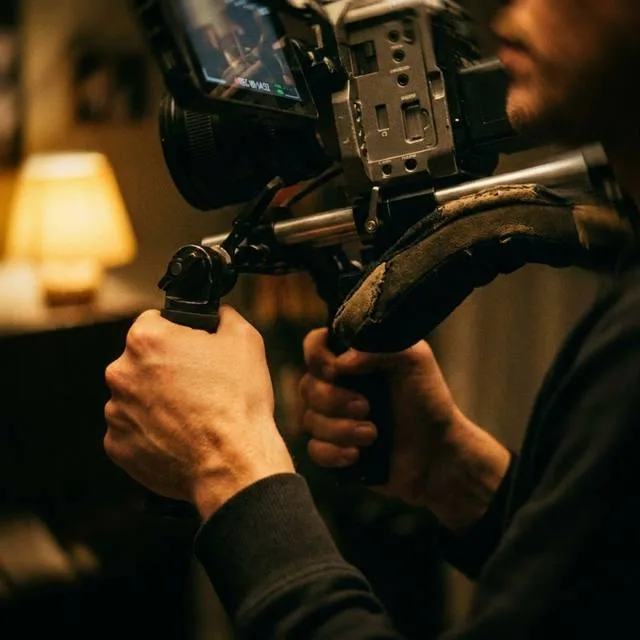
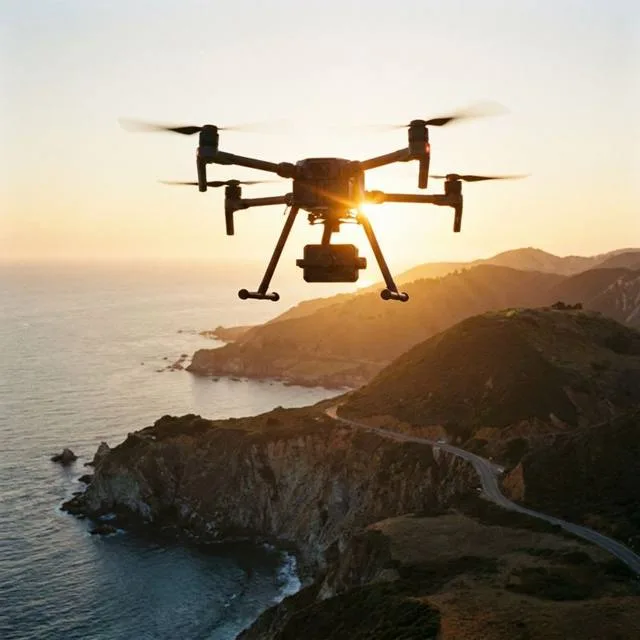
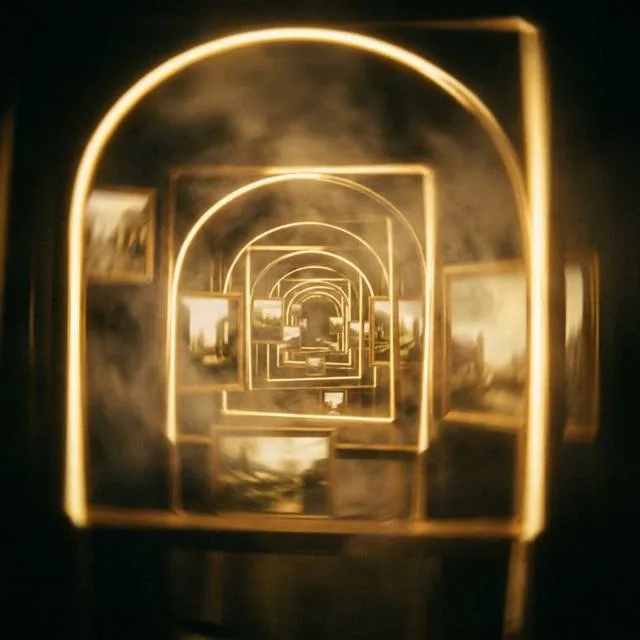
The Video Movement Vault · 46 moves, each with a real video example
Live movement examples stream from aicameramovements.com by Dan Kieft.
First-Frame Builder · build a movement prompt from your own starting image
Upload a first frame, choose the camera move, add only what the image cannot say. The output keeps camera movement, image context and actor action as separated blocks, so the prompt stays reusable when you swap the frame. Your image never leaves this page.
⬆ Tap to load your first frame
(stays on your device, never uploaded)![]()
(stays on your device, never uploaded)