
Chapter 04 · The Signature
Camera Angles, Framing & Perspective
A complete vocabulary for camera position (where the camera stands relative to the subject), angle (its height and tilt), framing (how much of the subject fills the frame), and perspective (how the lens renders space). AI models respond precisely to this vocabulary; a vague "nice shot of" gets you the average of the internet.
The four-question methodBefore every frame, answer in order: 1) Where is the camera around the subject (front, 3/4, profile, back, above, below)? 2) How high is it (eye, low, high, ground, overhead)? 3) How much subject is in frame (extreme wide to macro)? 4) What lens logic renders the space (compression, distortion, one-point depth)? Stack the four answers and the composition is engineered, not guessed.
Shot size ladder (memorize the ladder, then break it with intent)
Emotion scales inversely with distance: wide shots give context and loneliness, close-ups give intimacy and pressure. A scene that never changes rung feels flat; a scene that jumps rungs without motivation feels random.
Angle & Framing Prompt Bank
Combining rulesOne size + one height + one position + one perspective note per shot. "Extreme low-angle extreme close-up over-the-shoulder drone shot" is a contradiction; models resolve contradictions by averaging, and averages are boring. When two angle ideas fight, shoot two shots.
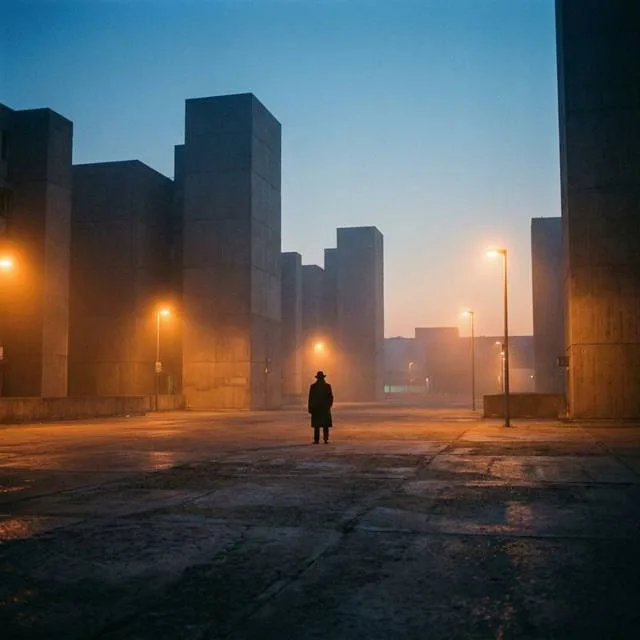
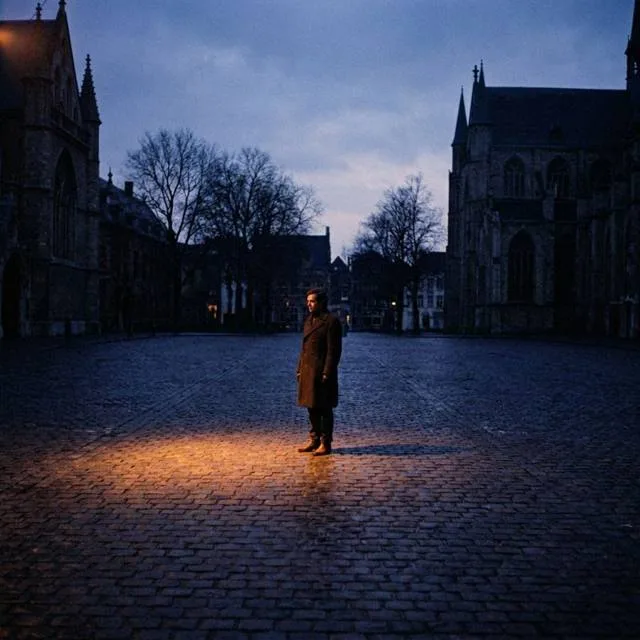
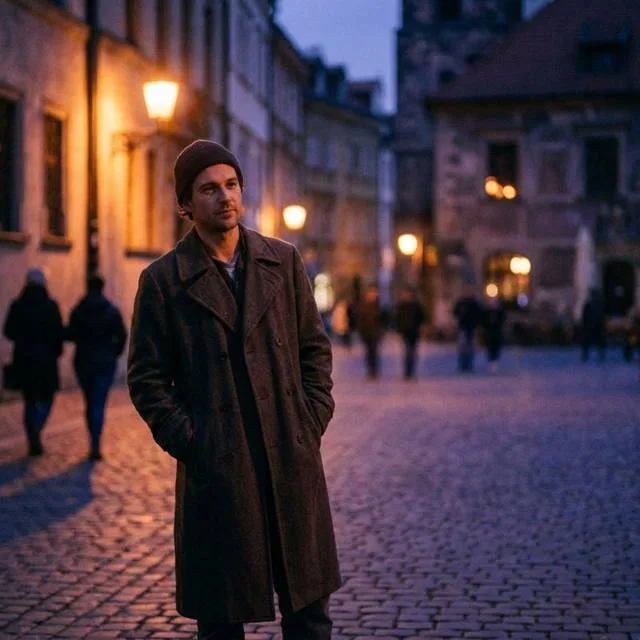
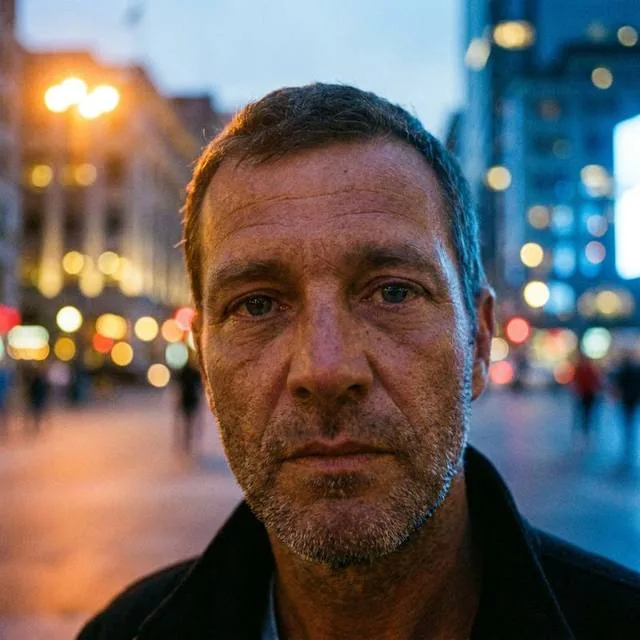
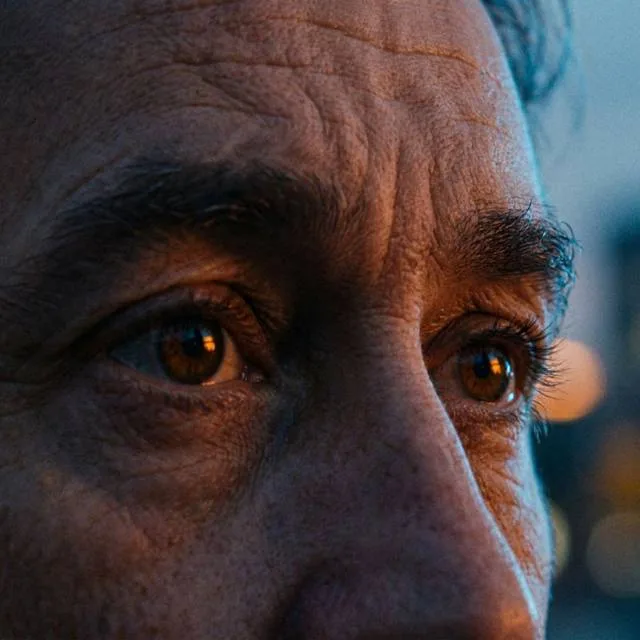
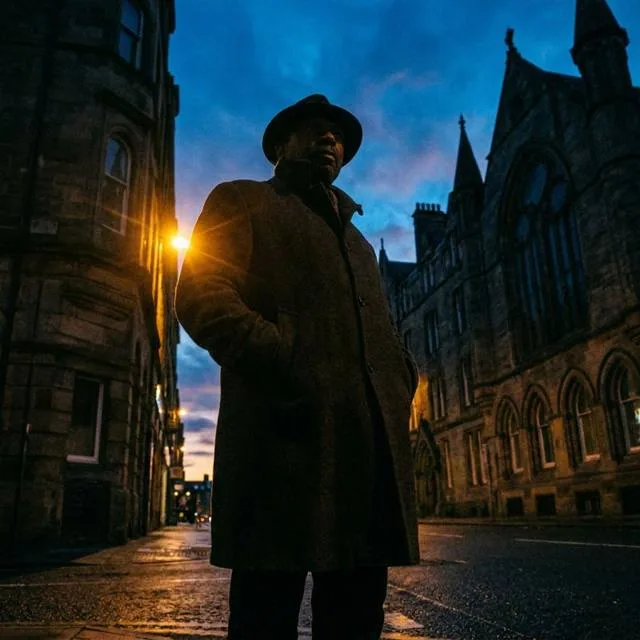
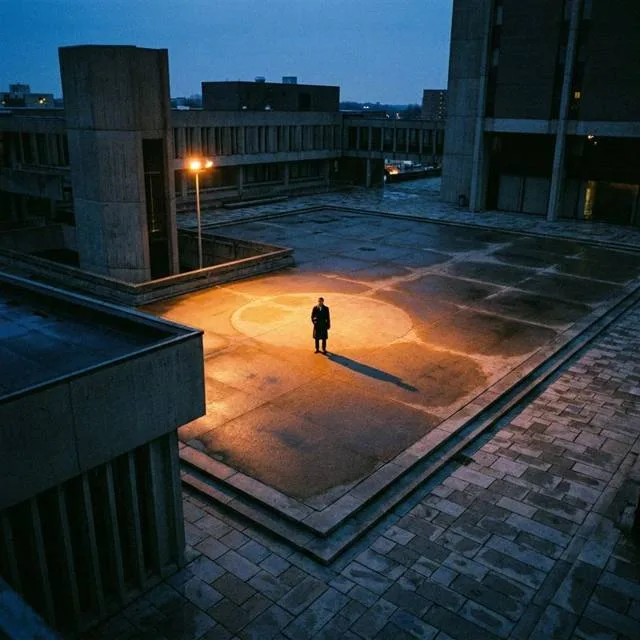
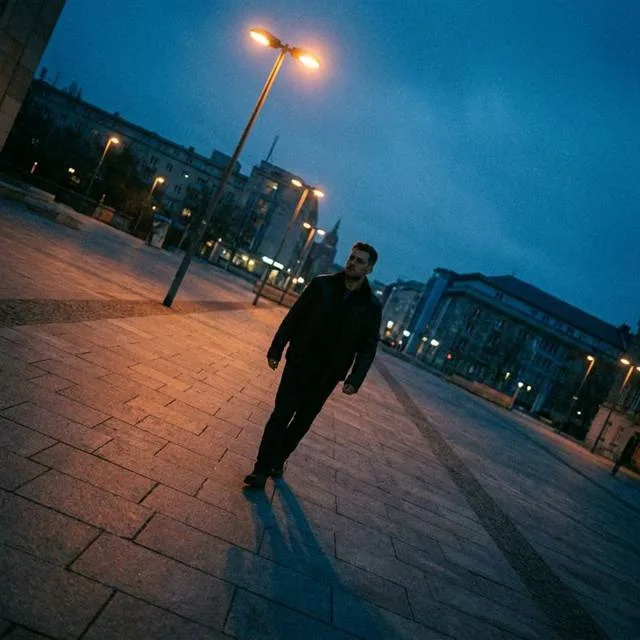

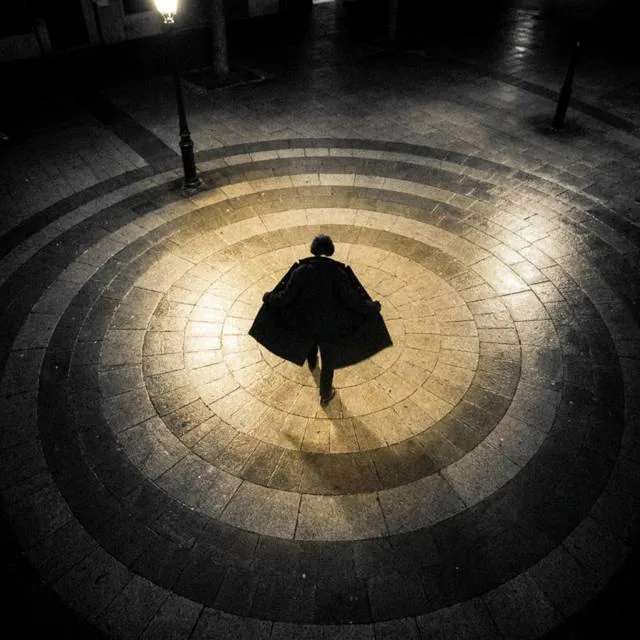
The Angle Dome · animated 3D reference
DRAG TO ORBIT · EVERY MARKER IS A NAMED ANGLE AIMED AT THE SUBJECT