
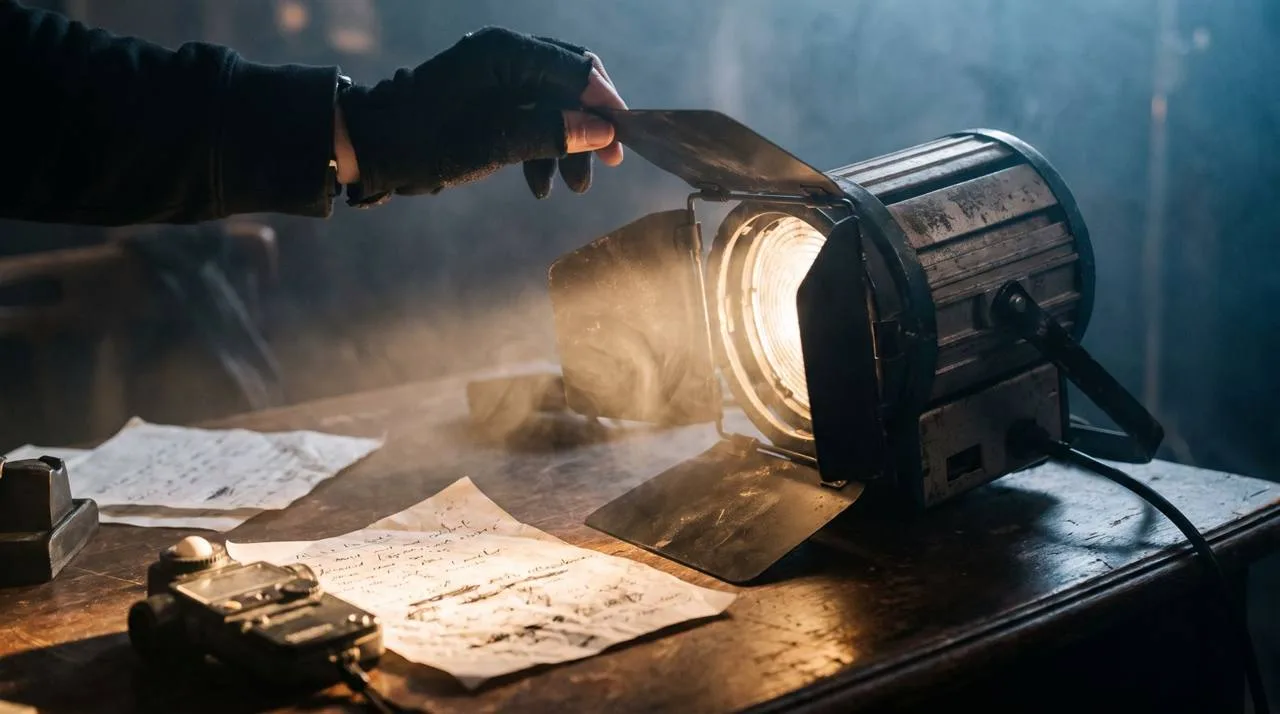
Prompt Physics
The core engineering idea of this entire brain: an aesthetic is a set of independent control axes, and a prompt is a weighted parameter stack, not a description. Name the axis, choose its value, and the look becomes deliberate and transferable.
The six-axis budget
Treat every prompt as a specificity budget. Light gets the most words because it drives the most result. When output looks wrong, diagnose which axis is starved. It is almost always LIGHT or ATMOSPHERE.
The universal prompt skeleton
One skeleton, filled in order. For diffusion image models lead with light and atmosphere; lead with subject only when identity must lock.
[SUBJECT / SPACE]
+ [LIGHT: direction · quality · time · colour temp · sources]
+ [ATMOSPHERE: haze · bloom · flare · air]
+ [DEPTH: foreground / midground / background · aperture]
+ [GRADE: palette · black level · saturation · contrast]
+ [CAMERA: body · lens · stop · ISO]
+ [MOTION: video only, one clear verb]
+ [TEXTURE: true texture · organic grain · soft not plastic]
+ [NEGATIVES]
The density rule
Shorter prompts render better than longer ones. Target 280 to 400 words for a single-shot video scene; never over 600 even for multi-shot sequences. Every word must do work. When in doubt, trust the reference image to carry visual information and cut the redundant description. A bloated colour paragraph with a vague light note yields a flat image every time.